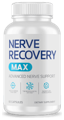
The Formula
Nerve Recovery MaxThe Nerve Recovery Max Ingredient Sheet
One seller page names ten ingredients without the amount of each. The Supplement Facts panel on your bottle is the authority on what is inside and how much. Research on these ingredients for nerve comfort is limited and mixed, so we call them nutritional or traditional ingredients and never treatments.*
Nerve Recovery Max1. Benfotiamine
A fat-soluble form of vitamin B1. Benfotiamine is a lab-made, fat-soluble relative of thiamine, vitamin B1. Because it dissolves in fat, it is absorbed differently from ordinary thiamine.
Nerve Recovery MaxHow it is described: It is named on the seller page as a nerve-nutrition ingredient. Studies have mostly looked at people with diabetes, at amounts above a multivitamin, and results are mixed.
Nerve Recovery MaxGood to know: Benfotiamine can matter with diabetes medicine, and heavy alcohol use affects thiamine needs. Ask first if you take diabetes medicine.
2. Thioctic Acid (Alpha-Lipoic Acid)
An antioxidant the body also makes. Thioctic acid is another name for alpha-lipoic acid, which helps enzymes turn food into cellular energy and also acts as an antioxidant. Spinach and broccoli contain small amounts.
How it is described: It is named on the seller page for antioxidant support. Research in nerve comfort has mostly used several hundred milligrams a day.
Good to know: It can lower blood sugar and change thyroid hormone levels, so ask first with diabetes or thyroid medicine.
3. ALCAR (Acetyl-L-Carnitine)
An amino acid derivative that helps cells use fat for energy. ALCAR is acetyl-L-carnitine, a form of carnitine that can cross into the brain and nerves. The body makes it, and red meat is the main dietary source.
How it is described: It is named on the seller page for cellular energy. Studies in nerve comfort are small, and the amounts used are usually in the hundreds to thousands of milligrams.
Good to know: It may add to warfarin, can matter with thyroid medicine and can worsen seizures in people with seizure disorders. It can cause a fishy odor and stomach upset.
4. Methylcobalamin (Vitamin B12)
The active, methyl form of vitamin B12. Methylcobalamin is one of the forms of vitamin B12, which is needed to make healthy nerves and red blood cells. B12 comes from animal foods, and absorption falls with age, stomach conditions and some medicines.
How it is described: It is named on the seller page as a nerve-nutrition ingredient. For anyone genuinely low in B12, getting enough matters a great deal, and a blood test is the way to know.
Good to know: Low B12 can itself cause numbness and tingling, which is a reason to see a doctor and not to guess. Metformin and acid-reducing medicine can lower B12 over time.
5. Pyridoxine (Vitamin B6)
A B-vitamin that, in excess, can harm nerves. Pyridoxine is the common supplement form of vitamin B6, which helps the body use protein and make neurotransmitters. Chicken, fish, potatoes and bananas supply it.
How it is described: It is named on the seller page as a nerve-nutrition ingredient. Real deficiency is uncommon in healthy adults.
Good to know: Taking too much B6 for a long time can itself damage nerves and cause numbness. Adults have an upper limit of 100 mg a day from all sources, so count your multivitamin, B-complex and energy drinks.
6. Turmeric Root Powder
The golden spice, as a plain powder. Turmeric is the root of Curcuma longa, a spice used in curries. A plain root powder holds only a few percent curcumin by weight.
How it is described: It is named on the seller page for everyday comfort. Because it is a powder and not a concentrated extract, the curcumin content is small.
Good to know: Turmeric can add to blood thinners, may matter with gallbladder problems and can lower iron absorption.
7. Folic Acid
The synthetic form of folate. Folic acid is the supplement form of folate, vitamin B9, which helps cells divide and is added to many foods. Leafy greens, beans and fortified cereals supply folate.
How it is described: It is named on the seller page as a nutrient involved in normal nervous system function. Most people already get folic acid from fortified foods.
Good to know: Folic acid can hide the anemia of low vitamin B12, letting nerve problems from B12 deficiency go unnoticed. It can also matter with some seizure medicines and methotrexate. Ask first if you take either.
8. Vitamin D
The sunshine vitamin. Vitamin D helps the body absorb calcium and supports bones and muscles. The skin makes it in sunlight, and fatty fish and fortified milk supply it.
How it is described: It is named on the seller page for general nutrition. Many adults have low levels, and a blood test shows where you stand.
Good to know: Adults have an upper limit of 100 mcg (4,000 IU) a day from all sources, and too much can raise blood calcium. Ask first with thiazide diuretics, digoxin or kidney problems.
9. Ashwagandha
An Ayurvedic adaptogen root. Ashwagandha, Withania somnifera, is a shrub of India whose root is a staple of Ayurvedic practice, usually described as an adaptogen for stress.
How it is described: It is named on the seller page for a balanced response to daily stress. Human studies are modest, and the dose is not given.
Good to know: Ashwagandha can affect thyroid hormone, add to sedatives and lower blood sugar. Rare cases of liver injury have been reported, and it should be avoided in pregnancy.
10. Broccoli Powder (Brassica Oleracea)
A vegetable powder with sulfur plant compounds. Brassica oleracea is the species that includes broccoli, cabbage and kale. Broccoli powder is dried, ground broccoli and carries glucosinolates and some vitamin K.
How it is described: It is named on the seller page for antioxidant support. The amount is not given, and a small amount of powder is far less than a serving of vegetables.
Good to know: Broccoli contains vitamin K, which matters if you take warfarin and keep your intake steady.
The Pattern
Five of the ten are vitamins (B1, B12, B6, folate and D), two are antioxidant or energy ingredients, and three are plants. Several vitamins may duplicate your multivitamin, so count the totals.
Medicines And Vitamins
Ten ingredients, five of them vitamins.
*These statements have not been evaluated by the Food and Drug Administration. This product is not intended to diagnose, treat, cure or prevent any disease.